How we watch by genre
Genres are lenses. We look for choices—script, performance, camera, color, sound, editing, design—and talk precisely about what a film does and how it does it.
Reviews come first (100–1000 words), anchored in scenes and choices. Then we discuss—patiently, precisely, with care. Below, each genre shows what we attend to most, and a few films that embody those choices.
Horror
Fear as form: the ethics of showing and withholding, atmosphere as craft, performance as ritual.
Dread is architecture. Terror is choreography.
- Screenplay: setups/payoffs, rules of the world, how dread accrues between scenes.
- Performances: containment vs. rupture—how fear is held in gesture, breath, stillness.
- Camera: point of view, occlusion/negative space, slow push-ins, how frames bait attention.
- Color & light: sickly greens, sodium orange, chiaroscuro—palette modulates threat.
- Sound: drones, room tone, door hinges, breaths; silence as punctuation.
- Editing: rhythm that anticipates or denies release; cuts that "look away" (or don't).
- Production design: liminal hallways, clutter vs. emptiness, texture that carries dread.
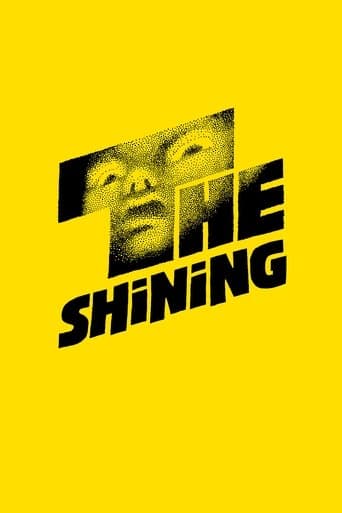
The Shining (1980)
Kubrick turns domestic space into a maze of madness. Every Steadicam glide is a promise the film will keep—or break.
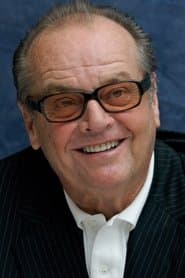
Sanity as a performance already cracking at the seams. Watch how he modulates from charm to menace in a single eyebrow raise.
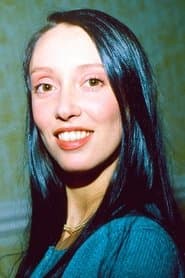
Terror as endurance sport. Her unraveling is painfully, magnificently real—every scream earned.
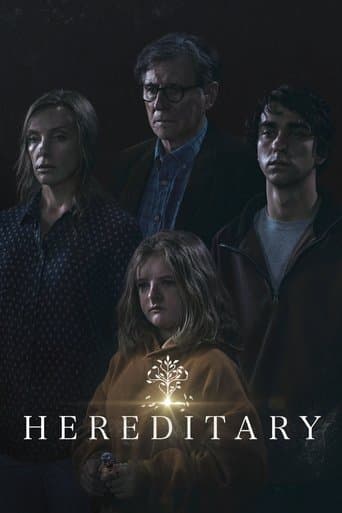
Hereditary (2018)
Aster weaponizes grief. The horror isn't just supernatural—it's the unbearable weight of family trauma made visible.
A masterclass in emotional demolition. Watch her dinner table monologue—it's the film in miniature.
Guilt as possession. His face becomes a map of psychological collapse.
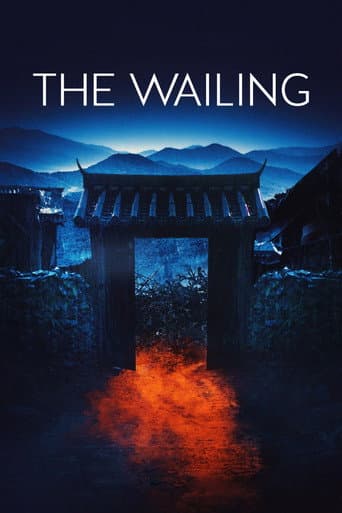
The Wailing (2016)
Na Hong-jin turns paranoia into a 156-minute feedback loop. Genre itself becomes unreliable.
Bumbling incompetence meets primal terror. His everyman confusion makes the horror land harder.

Stillness as threat. Every scene he's in, the air changes.
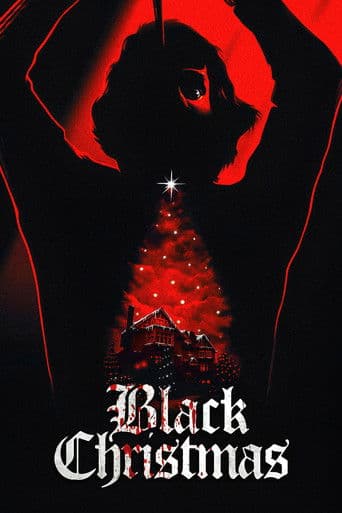
Black Christmas (1974)
Clark invented the slasher phone call. The calls ARE the horror—voice as violence, domestic space as trap.
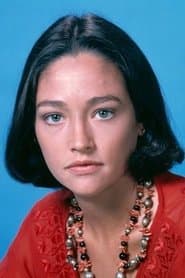
Proto-final girl with agency. She's scared but never stupid—watch how she weaponizes the house.
Science Fiction
Ideas in motion: technology as metaphor, scale as feeling, future as mirror.
The genre that asks "what if?" and insists you sit with the answer.
- Screenplay: premise pressure—how a single idea bends character and world.
- Performances: the human in the machine—warmth, alienation, curiosity.
- Camera: sense of scale, horizon lines, lens choice for architecture vs. intimacy.
- Color & light: sterile whites, neon washes, day-for-night blues—palette as ideology.
- Sound: interface bleeps vs. vastness; electronic timbres; silence frames awe.
- Editing: contemplative duration vs. propulsion; when the cut lets us think.
- Design: interfaces, typography, vehicles; how world-building expresses theme.
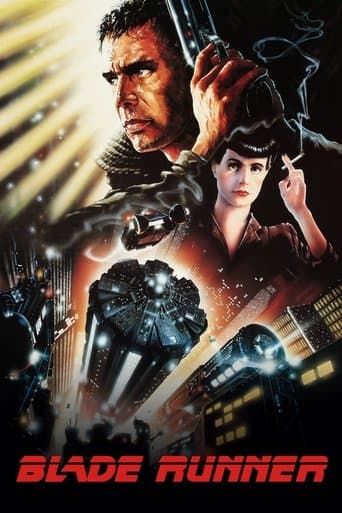
Blade Runner (1982)
Scott's neon noir asks what makes us human by showing us beings more human than humans. Every frame is a painting with a pulse.
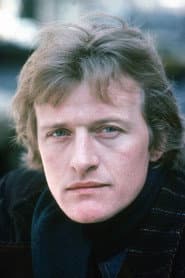
He improvised "tears in rain" and gave cinema one of its most aching meditations on mortality. Four years of life, four minutes of screen death.
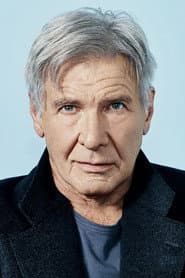
Exhaustion as character. His detective is all burnt-out edges—watch how he refuses to give you a hero.
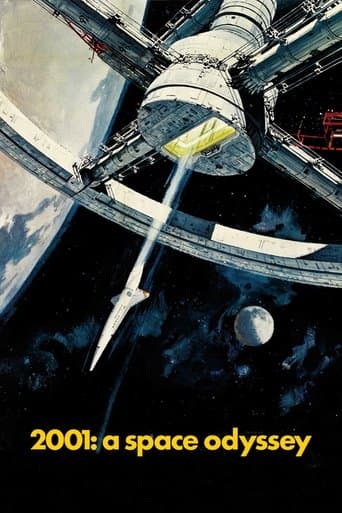
2001: A Space Odyssey (1968)
Kubrick said "screw exposition" and gave us pure cinema. A trip from ape to star-child with barely 40 minutes of dialogue.
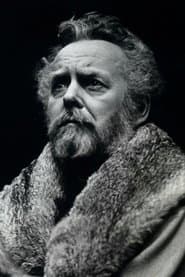
The voice of polite apocalypse. His calm is more terrifying than any scream.
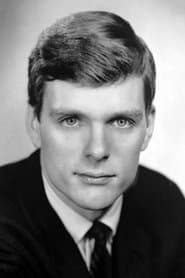
Astronaut as monk. His stillness lets the cosmic horror breathe.
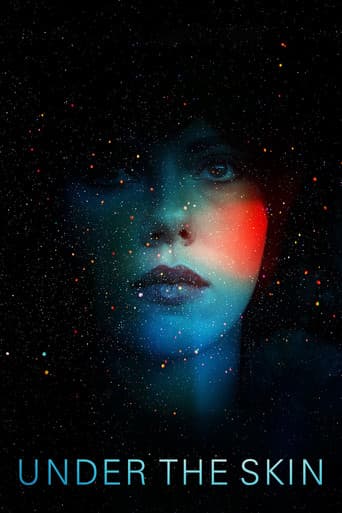
Under the Skin (2013)
Glazer films the alien-among-us premise like a nature documentary shot by Stanley Kubrick. Mica Levi's score could strip paint.
Humanity as learned behavior. Watch her learn to BE, then unlearn it. The beach scene will end you.
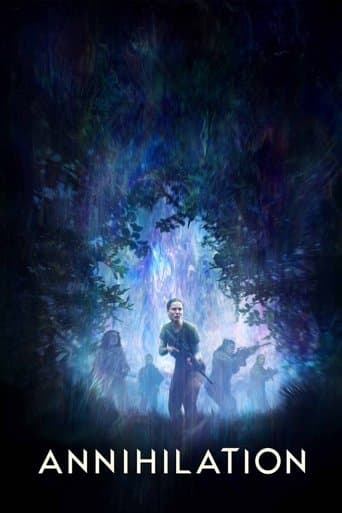
Annihilation (2018)
Garland adapts VanderMeer into a kaleidoscope of self-destruction. The Shimmer is depression made literal—beautiful, alien, consumptive.

Grief as science. Her biologist navigates trauma like a hostile ecosystem.
Her acceptance scene (you know the one) is transcendence as body horror.
Western
Myth and landscape: the moral geometry of space, community, and violence.
Where men become monuments and the land keeps score.
- Screenplay: codes of honor, cycles of debt and revenge, community vs. outlaw.
- Performances: interior myth—laconic affect, glances as treaties.
- Camera: horizons, riders as punctuation, the weight of the wide shot.
- Color & light: dust, dusk, the blue of shade vs. the white of noon.
- Sound: wind and leather; gunshots as compositional beats.
- Editing: accrual of standoffs; when time stretches into judgment.
- Design: patina of tools, saloon geometry, town layouts as ethics.
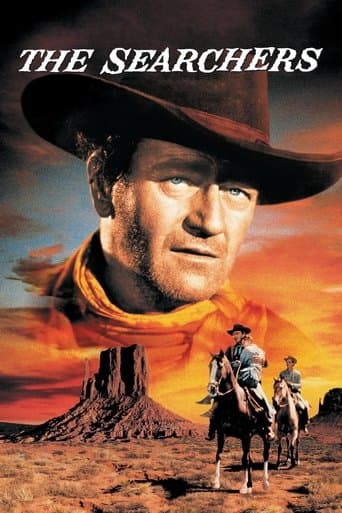
The Searchers (1956)
Ford's Monument Valley + Wayne's Ethan = American cinema's most beautiful poison. A rescue mission that's also a revenge tragedy that's also a deconstruction of frontier myth.
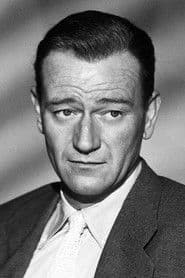
His most complex role: racist, relentless, unredeemable—and totally magnetic. That final doorway shot is cinema's loneliest silhouette.
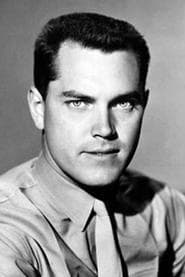
The conscience to Wayne's id. Watch how Hunter uses silence to argue with a monument.
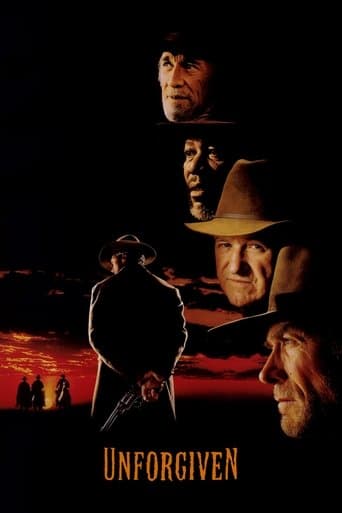
Unforgiven (1992)
Eastwood's elegy for the genre—and his own iconography. Violence has consequences, heroes are myths, and pigs eat in the rain.
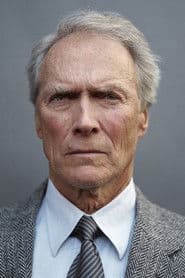
The Man With No Name, now with a name, a past, and arthritis. Watch him try—and fail—to stay retired from being a legend.
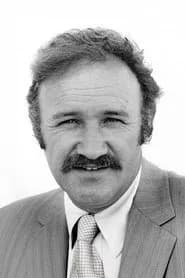
The lawman as petty tyrant. Hackman makes him both banal and terrifying—bureaucracy with a badge and a whip.
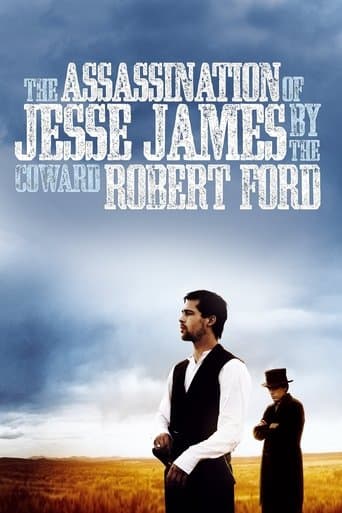
The Assassination of Jesse James by the Coward Robert Ford (2007)
Dominik shoots the West like a Terrence Malick fever dream. Celebrity, betrayal, and the American need to kill its heroes—all in 160 minutes of aching beauty.
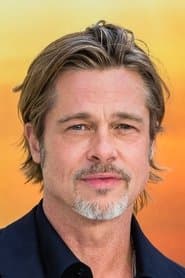
Movie star plays a folk hero playing himself. The self-awareness is the performance.
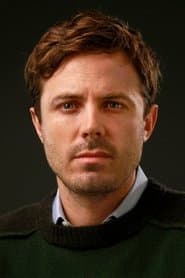
The fan who becomes the assassin. Affleck makes obsession look like lovesickness.
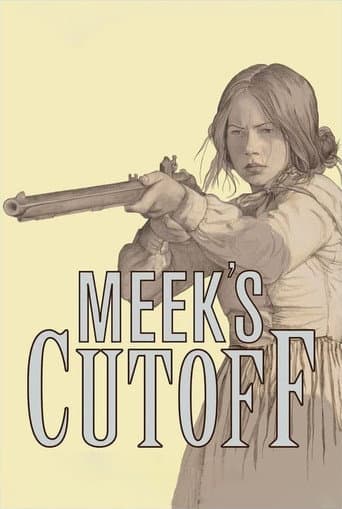
Meek's Cutoff (2010)
Reichardt reframes the Western as survival horror. Forget gunfights—this is about water, trust, and the violence of incompetent men making life-or-death decisions.
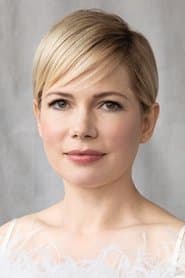
Pioneer as pragmatist. Watch her eyes do the math on survival while the men posture.
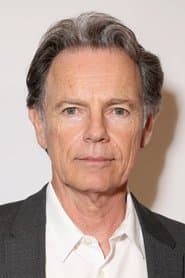
The unreliable guide as American archetype. Confidence as con.
Drama
The human close-up: choice, consequence, and the daily sublime.
No explosions. No easy answers. Just people, choosing.
- Screenplay: moral knots that tighten with each scene; how wants become needs become costs.
- Performances: interior weather—what's said vs. what's shown vs. what's swallowed.
- Camera: proximity as ethics; when to hold, when to cut away.
- Color & light: naturalism as style choice; golden hour as emotional state.
- Sound: silence as pressure; voiceover as confession or evasion.
- Editing: rhythm of revelation; ellipsis as respect for the audience.
- Design: objects as anchors—kitchens, workplaces, the material life of feeling.
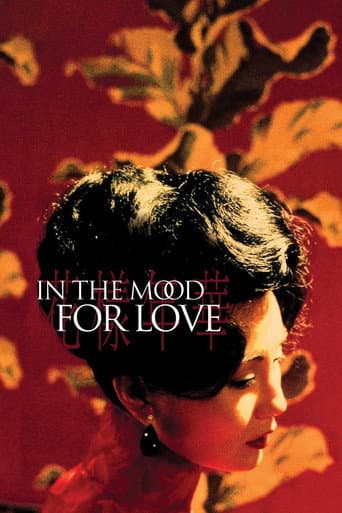
In the Mood for Love (2000)
Wong Kar-wai films unconsummated longing like it's a heist. Every glance is a theft. Every corridor, a missed chance. Maggie Cheung's dresses do more acting than most actors.

Restraint as seduction. Watch her posture—how she holds herself together while falling apart.
Master of the wounded glance. His face is a slow-motion confession.
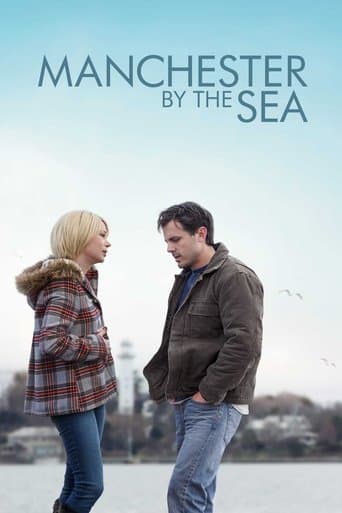
Manchester by the Sea (2016)
Lonergan makes grief into architecture—rooms you can't leave, conversations you can't finish. The most Boston movie ever made about the impossibility of going home.
Shutdown as self-preservation. He plays a man who's already dead inside, just hasn't stopped moving yet.
That sidewalk scene. Five minutes, one take, a performance so raw it hurts to watch.
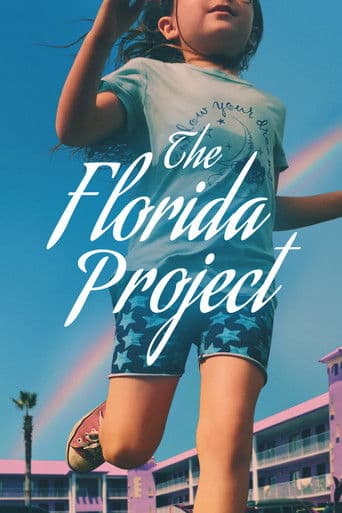
The Florida Project (2017)
Baker shoots childhood poverty in candy colors and finds grace in the margins. The Magic Kingdom's shadow is purple motels and precarity.
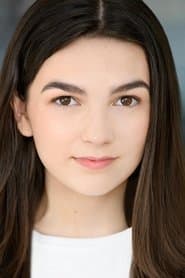
Kid performance for the ages. She's a force of nature who doesn't know she's in a tragedy.
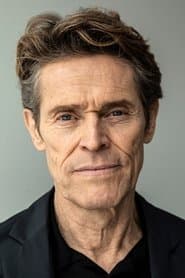
The patron saint of almost-safety. Dafoe's tenderness could break you.
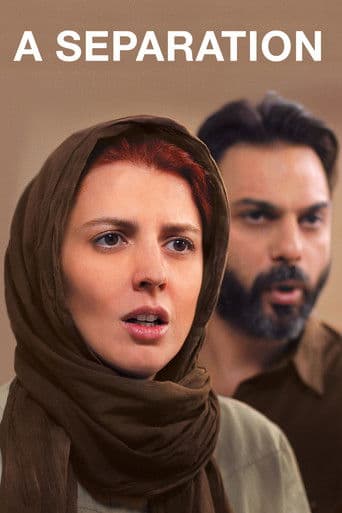
A Separation (2011)
Farhadi constructs a moral Rubik's cube: every turn reveals a new facet of truth. No one's lying. Everyone's right. Everybody loses.
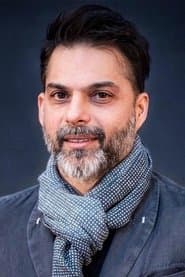
Righteousness as tragic flaw. Watch him be technically correct and humanly wrong.

The impossible choice between love and self. Her final courtroom look is devastating.
Romance & Melodrama
Feeling in form: devotion arranged by blocking, music, color, and time.
Love as narrative problem. Distance as visual language.
- Screenplay: obstacles as moral weather; how chance and ritual shape longing.
- Performances: restraint vs. confession—how bodies speak before words.
- Camera: two-shots as negotiation, doorways as thresholds, the grammar of distance.
- Color & light: blushes, candlelight, nocturnes—palette as emotion.
- Sound: leitmotifs; when silence becomes declaration.
- Editing: ellipsis as ache; returns and refrains across time.
- Design: letters, keepsakes, rooms as memory containers.
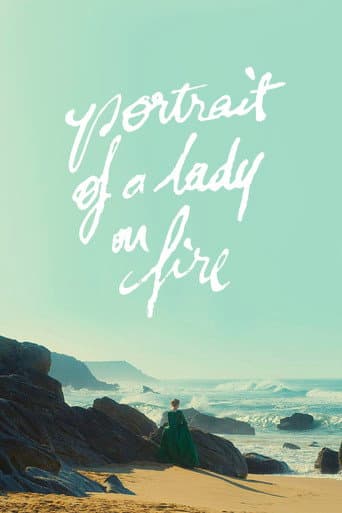
Portrait of a Lady on Fire (2019)
Sciamma films desire as a collaborative artwork. Two women, an island, and the revolutionary act of actually looking at each other.
The artist learning she's also the canvas. Watch her eyes paint before her hands do.

The subject who seizes her objecthood. That bonfire turn? Cinema's greatest "I see you seeing me."
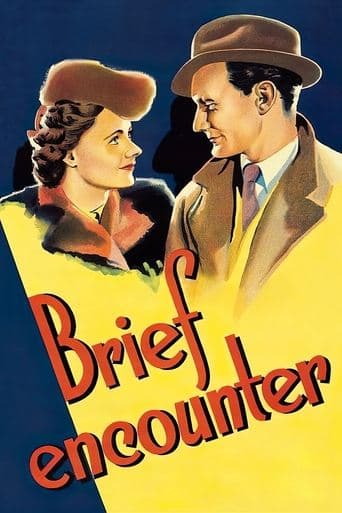
Brief Encounter (1945)
Lean + Rachmaninoff + repressed British emotions = devastation. Proof that a train station can be as romantic as Paris if the lighting's right.
The voiceover is her confession booth. Johnson makes duty and desire wage war on her face.
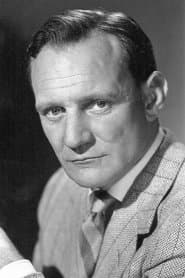
The Other Man who's actually decent. His restraint matches hers—two people drowning politely.
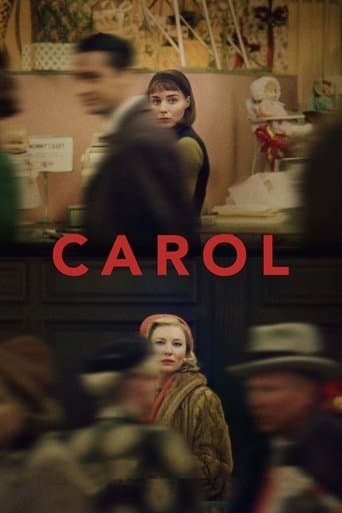
Carol (2015)
Haynes shoots 1950s Highsmith like it's a Sirkian dream. The gloves, the glances, the Therese-is-Carol's-photographer structure—it's all subtext until it isn't.

Elegance as armor. Watch how she uses her class privilege like a weapon, then lays it down.
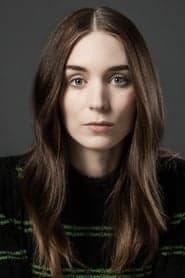
The ingénue who grows into her want. That final look? She out-acts Blanchett by doing less.
In the Mood for Love (2000)
Yes, it's here twice. It's a romance AND a drama. Wong Kar-wai gets both slots because he earned them.
See Drama section. But also: those qipaos are emotional costuming as high art.
The man who says everything by saying almost nothing. Cheekbones as dialogue.
Noir
Moral fog and venetian blinds: shadow play, fate, and the geometry of guilt.
Everyone's guilty. The lighting just makes it prettier.
- Screenplay: voiceover as confession; flashback as trap; the past as inescapable.
- Performances: hard shell, soft hurt—how restraint leaks truth.
- Camera: Dutch angles, low angles; blinds, smoke, rain—occlusion as style.
- Color & light: high contrast B&W or sodium lamps and neon.
- Sound: jazz, footsteps, rain; the soundscape of paranoia.
- Editing: flashbacks as narrative quicksand.
- Design: urban mazes, dive bars, office towers—architecture of entrapment.
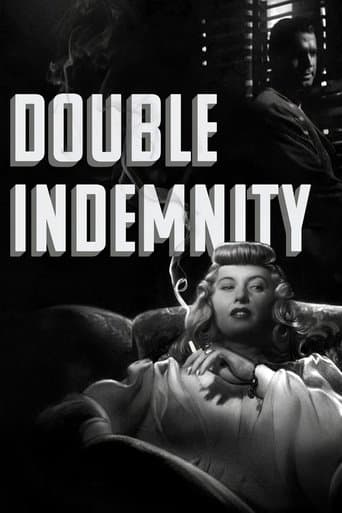
Double Indemnity (1944)
Wilder + Chandler + Stanwyck's anklet = the Platonic ideal of noir. An insurance scam as Greek tragedy, shot in chiaroscuro perfection.

The femme fatale blueprint. Stanwyck makes evil look like Tuesday—banal, efficient, lethal.
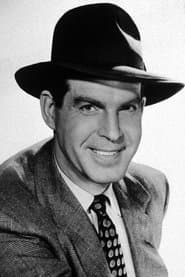
The chump who thinks he's smart. Watch him narrate his own doom with a cigarette and a death wish.
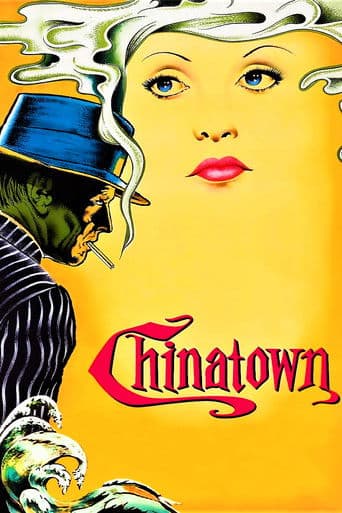
Chinatown (1974)
Polanski's neo-noir where the mystery is corruption all the way down. Forget it, Jake—it's systemic rot as plot structure.
The detective who thinks he can fix it. Nicholson's bandaged nose is a visual reminder: you're in over your head.

Trauma as performance, performance as survival. "She's my sister AND my daughter" is delivered like a confession and an accusation.
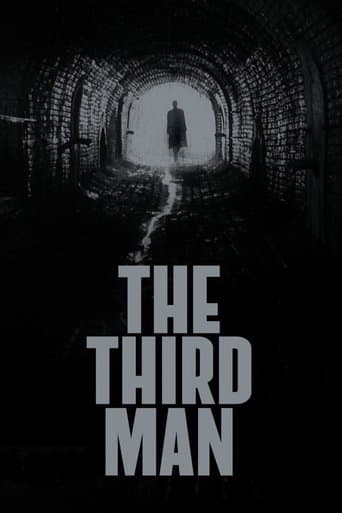
The Third Man (1949)
Reed + post-war Vienna + a zither score + Orson Welles in a doorway = perfection. The Ferris wheel scene is a masterclass in moral relativism.
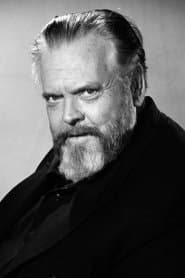
15 minutes of screen time. Owns the entire movie. The cuckoo clock speech was his improvisation.
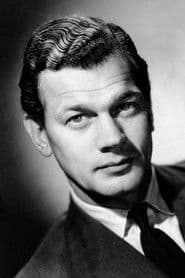
The American innocent abroad, learning Europe has already chosen its compromises.
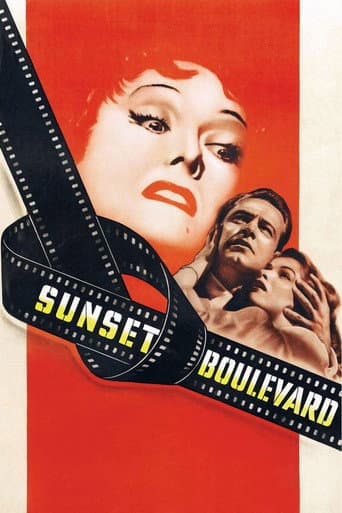
Sunset Boulevard (1950)
Wilder's Hollywood gothic: a dead man narrates, a silent film star refuses to stay silent, and a mansion becomes a mausoleum.

A silent film star playing a silent film star who won't accept she's silent. Meta-tragedy at full volume. "I AM big. It's the pictures that got small."
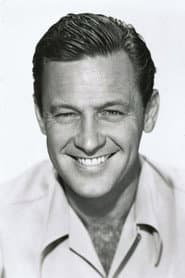
The writer who sells out, then sells out again, then floats face-down in a pool. Holden makes cynicism look like survival—until it isn't.
Thriller
Pressure systems: suspense as architecture, paranoia as point of view.
Information is ammunition. Timing is everything.
- Screenplay: ticking clocks, reveals, reversals; how information is metered.
- Performances: control vs. panic; microexpressions as tells.
- Camera: subjective POV, long lens paranoia, Steadicam pursuit.
- Color & light: cool palettes, underexposure, pools of light in darkness.
- Sound: score as heartbeat; silence before the drop.
- Editing: cross-cutting as pressure cooker; the rhythm of the chase.
- Design: surveillance, technology, maps—the tools of control and its loss.
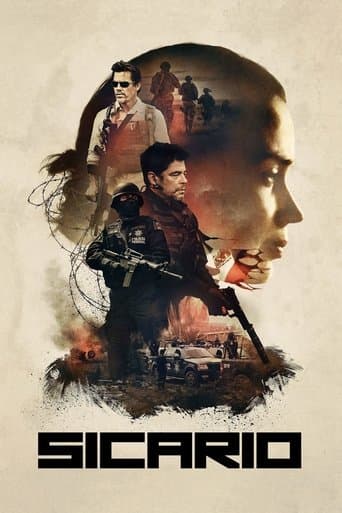
Sicario (2015)
Villeneuve + Deakins + Jóhannsson = border war as Kafkaesque nightmare. The tunnel scene is a masterclass in sustained dread.

Idealism as liability. Watch Blunt's face register the moral freefall in real-time.
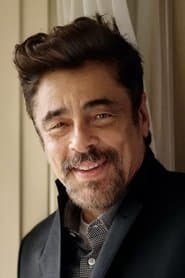
Grief disguised as patience. He's the abyss with a backstory and a silencer.
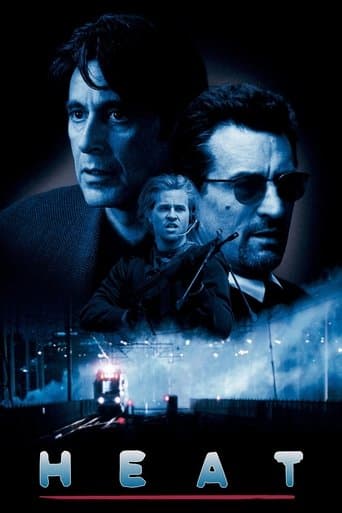
Heat (1995)
Mann's opus: professionalism as religion, the heist as ballet, and two titans finally sitting down for coffee.
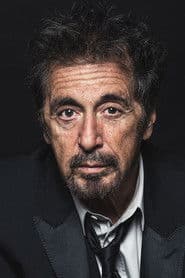
Caffeinated chaos. Pacino at 11, but controlled—watch how he uses volume as intimidation.
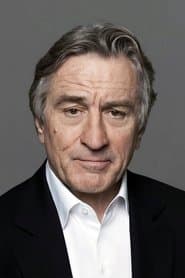
The anti-Pacino: stillness, discipline, the man with no attachments. Until.
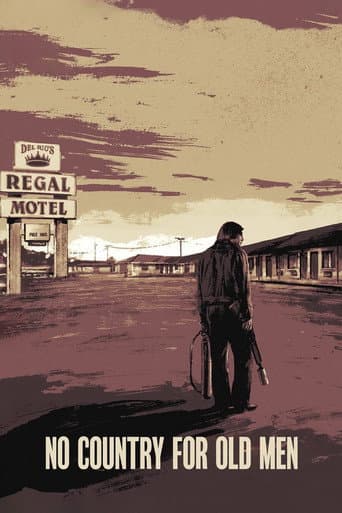
No Country for Old Men (2007)
The Coens adapt McCarthy into a Texan death poem. Chigurh isn't the villain—he's the weather.
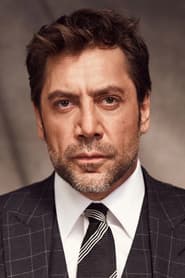
The most terrifying haircut in cinema. Bardem makes fate look like a captive bolt pistol.
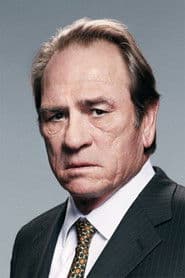
The moral center who arrives too late, every time. Jones's exhaustion is existential.
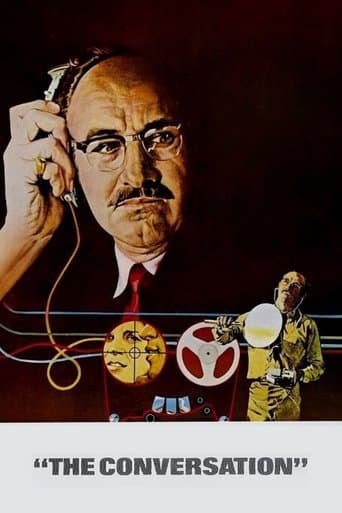
The Conversation (1974)
Coppola's surveillance paranoia chamber. Hackman's Harry Caul is a wire-tap monk who records his own unraveling.
Isolation as expertise. Watch him dismantle his apartment like he's debugging his own soul.
Documentary
Looking with, not just at: presence, structure, and the ethics of attention.
Reality is already cinema. Framing is a moral choice.
- Structure: essay vs. observational vs. performative—how the film makes its argument.
- Camera: proximity, consent, steadiness—where the film stands with subjects.
- Sound: voiceover responsibility; room tone; archival vs. original recording.
- Editing: juxtaposition as meaning; when cuts question authorship.
- Design: captions, maps, timelines; legibility vs. poetry.
- Ethics: who speaks and when; what is withheld and why.
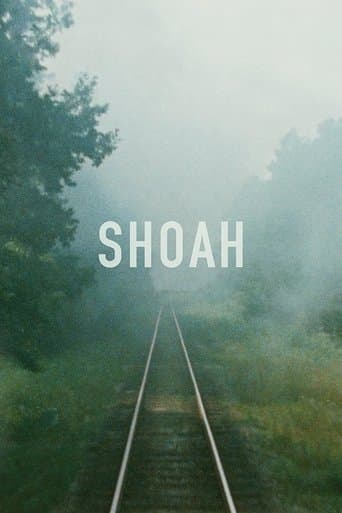
Shoah (1985)
Lanzmann's 9.5-hour refusal to show archival footage. Testimony IS the document. Landscape holds memory.
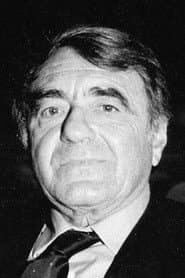
His presence is the film's ethical spine—when to push, when to hold silence.
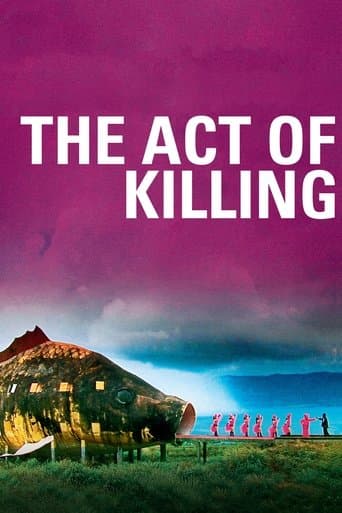
The Act of Killing (2012)
Oppenheimer hands the camera to mass murderers and lets them restage their crimes as movie genres. The result is horrifying, surreal, and unforgettable.
A killer performing his kills until the performance cracks. His final rooftop retching is the film's moral reckoning.
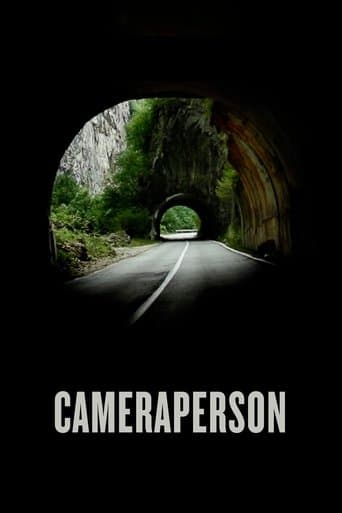
Cameraperson (2016)
Johnson stitches together 20 years of outtakes into a memoir of looking. Every frame asks: what does it mean to witness?
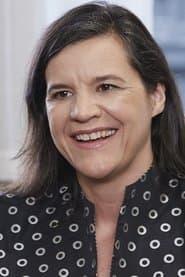
Her camera IS her performance—shaky when uncertain, steady when committed.
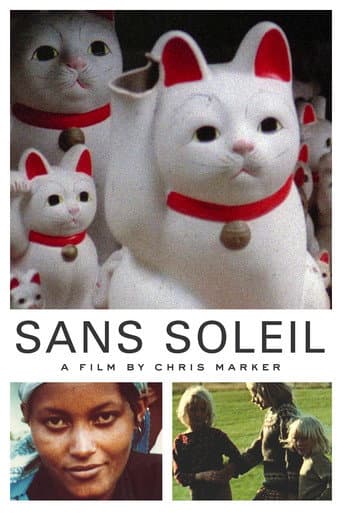
Sans Soleil (1983)
Marker's essayistic fever dream. Travelogue as philosophy, voiceover as ghost, memory as science fiction.
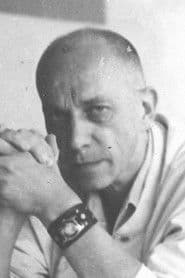
The unseen author, present in every frame and narration. Marker makes the essay film feel like a seance.
Comedy
Rhythm and revelation: timing, framing, and the graceful logic of the gag.
Precision masquerading as chaos. Physics as punchline.
- Screenplay: premise escalation, rule clarity, call-backs as architecture.
- Performances: timing, micro-gestures, ensemble "give and take".
- Camera: fixed-frame choreography (Keaton, Tati) vs. punch-in emphasis (Apatow).
- Color & light: cheerful or austere palettes as comedic stance.
- Sound: deadpan silences, needle drops, dialogue overlap.
- Editing: breath before punchlines; montage as setup machine.
- Design: props as punchlines; spaces that set jokes in motion.
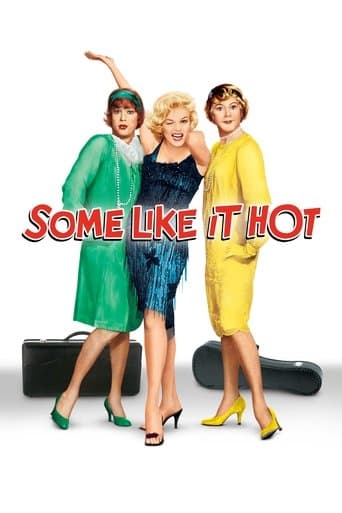
Some Like It Hot (1959)
Wilder's gender-swap farce is a perfect machine: every joke pays off, every line zings. "Nobody's perfect" is cinema's best last line.
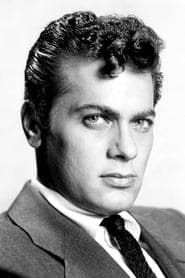
Doing Cary Grant doing a millionaire while in drag. Layers on layers, all perfectly calibrated.
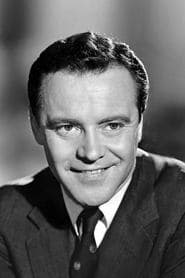
Lemmon's maracas-shaking joy is the film's beating heart. He COMMITS.
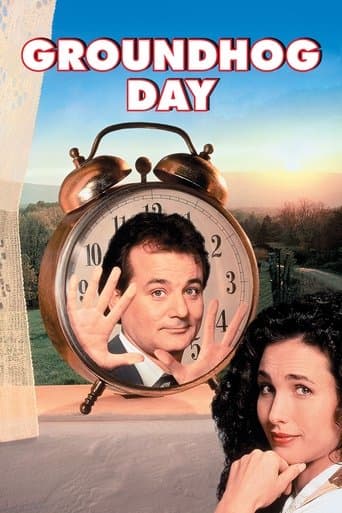
Groundhog Day (1993)
Ramis hides a Buddhist koan inside a rom-com time loop. Repetition as spiritual practice. Also, very funny.
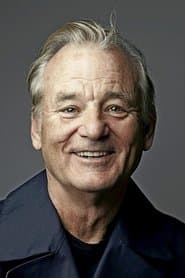
Existential despair via eyebrow. Murray makes nihilism hilarious, then finds grace.

She's the stable center. Warm, smart, and just out of reach—the perfect comedic-romantic target.
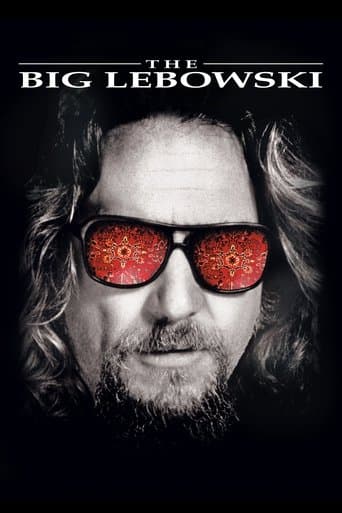
The Big Lebowski (1998)
The Coens make a Raymond Chandler plot starring a stoner. Vibes as worldview. "The Dude abides" is lifestyle advice.
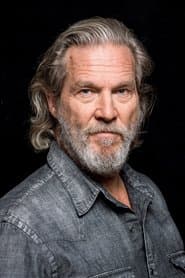
Total relaxation as character. Bridges makes doing nothing look like a philosophy.
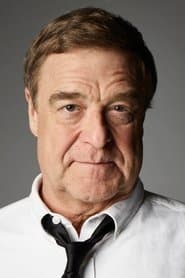
Rage as comedy. Goodman's Walter is a volatile teddy bear with Vietnam flashbacks.
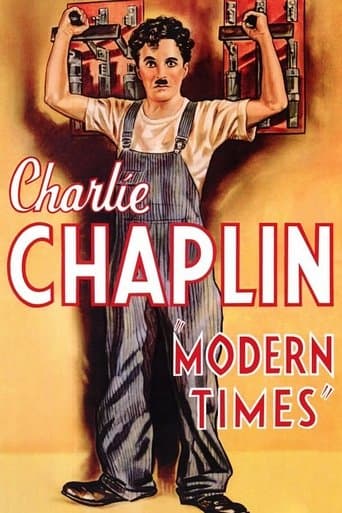
Modern Times (1936)
Chaplin's Tramp vs. industrial modernity. Silent comedy as social critique, slapstick as empathy.
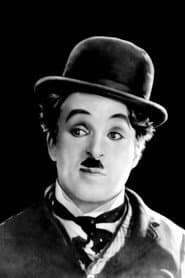
Physical comedy as ballet. The assembly line sequence is still the best critique of capitalism ever filmed.
Animation
The hand of time: line, color, and movement as metaphors made visible.
Every frame is a choice. Every choice reveals a world.
- Design: line quality, texture, world rules; how physics conveys feeling.
- Color: seasonal palettes; emotional temperature across scenes.
- Sound: Foley invention; musical motifs; voice casting as gesture.
- Movement: weight, timing, exaggeration; how motion expresses character.
- Editing: transformation beats; rhythm of motion vs. cut.
- Ethics: who gets to imagine, and for whom; myths re-drawn.
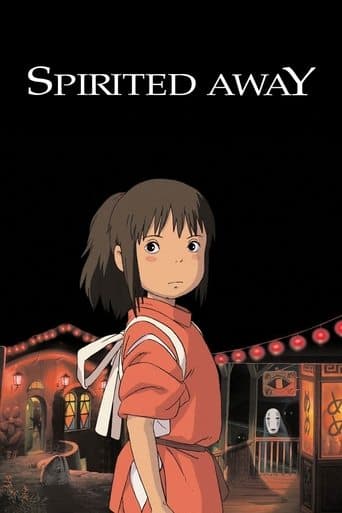
Spirited Away (2001)
Miyazaki's bathhouse odyssey:童話 meets labor rights. Every background is a painting, every spirit has a motive. Capitalism as literal consumption.

From whiny kid to worker to hero. Hiiragi voices the transformation without ever hitting a false note.

The boy who's also a river. Irino makes ancient and adolescent coexist.
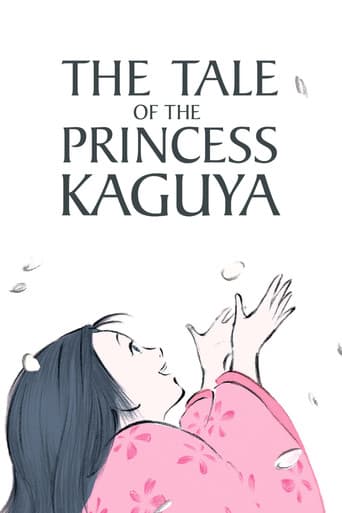
The Tale of the Princess Kaguya (2013)
Takahata's final film: brush-stroke animation, folk-tale structure, and a critique of patriarchy that feels both ancient and urgent.

Joy and rage in equal measure. Her running scene is animated liberation.
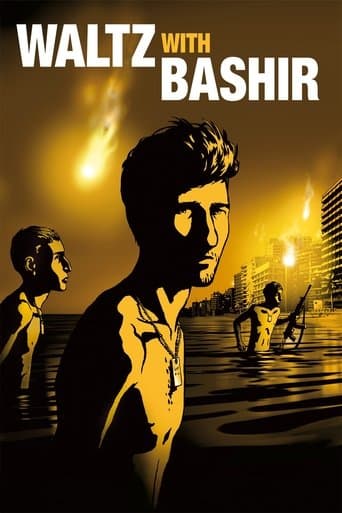
Waltz with Bashir (2008)
Folman uses animation to excavate repressed memory. The surrealism is the point—trauma doesn't do realism.
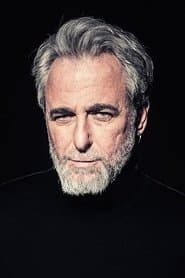
The director interrogating his own amnesia. His rotoscoped avatar makes dissociation visible.
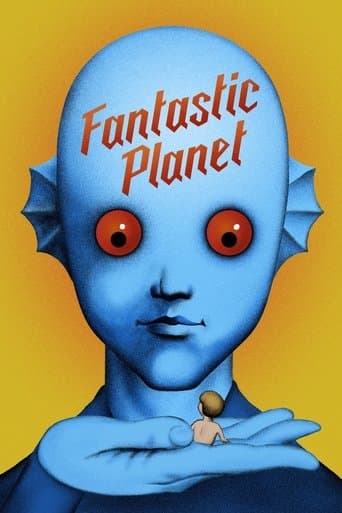
Fantastic Planet (1973)
Laloux's psychedelic sci-fi allegory. Humans as pets, revolution as evolution, and Terry Gilliam probably watched this 100 times.
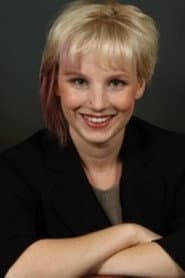
Voicing the oppressor with childlike cruelty. The dubbing is haunting.
Art & Experimental
Form as inquiry: when image, time, and text become the argument.
Cinema asks: what if? Experimental answers: why not?
- Structure: loop, trance, tableau; what replaces plot as organizing principle.
- Camera: duration and distance; when a shot becomes a space to think.
- Color & texture: symbolic palettes; grain and surface as meaning.
- Sound: drones, voiceover, text-as-sound; the music of the cut.
- Editing: repetition and variation; where "sense" emerges (or doesn't).
- Ethics: what the work asks of a viewer—attention, patience, complicity.
Jeanne Dielman, 23, quai du Commerce, 1080 Bruxelles (1975)
Akerman films three days of domestic routine in real-time. Housework as labor, duration as form, and a climax that detonates everything. 201 minutes that changed cinema.
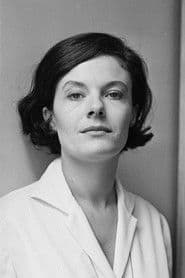
One of the great film performances: all surface until it cracks. Seyrig makes routine hypnotic, then unbearable.
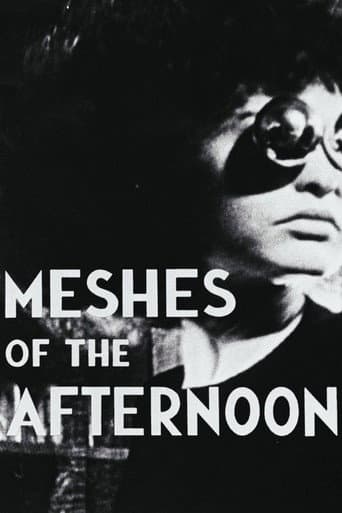
Meshes of the Afternoon (1943)
Deren's 14-minute dream logic feedback loop. Knife, key, flower, mirror—objects as obsessions. Experimental film's Patient Zero.
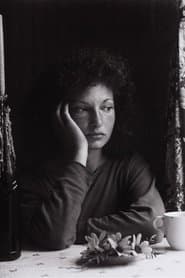
Director as avatar, body as landscape. Deren makes herself the site of the experiment.
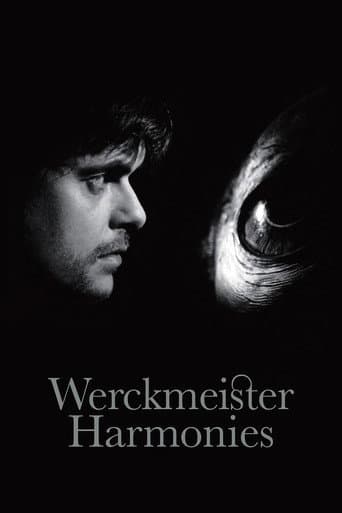
Werckmeister Harmonies (2000)
Tarr's apocalyptic slow cinema. 39 shots, 145 minutes, and a stuffed whale as harbinger. Watch the town square riot: 10 minutes, one take, civilization's collapse in real-time.
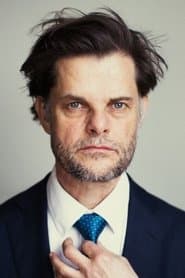
Innocence walking into the void. Rudolph's face is an open question the film never quite answers.
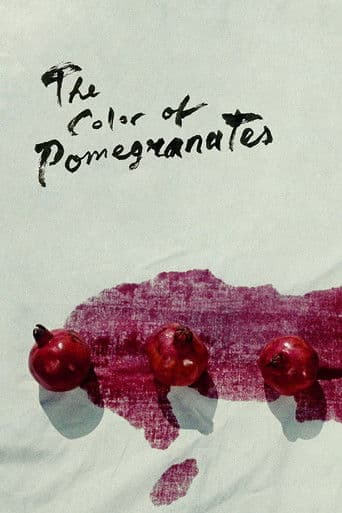
The Color of Pomegranates (1969)
Parajanov's tableaux vivant biography of Armenian poet Sayat-Nova. Every frame is a tapestry. Narrative is for cowards.
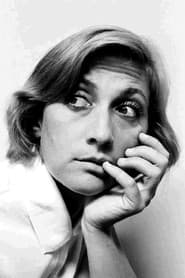
Chiaureli plays multiple roles across genders and ages. Performance as iconography.
Careful viewing. Serious discourse.
Genres as threads, craft as evidence, conversation as art—join our waitlist. We keep the circle small so each voice matters.